 Mochi Isle
01
Wetlands
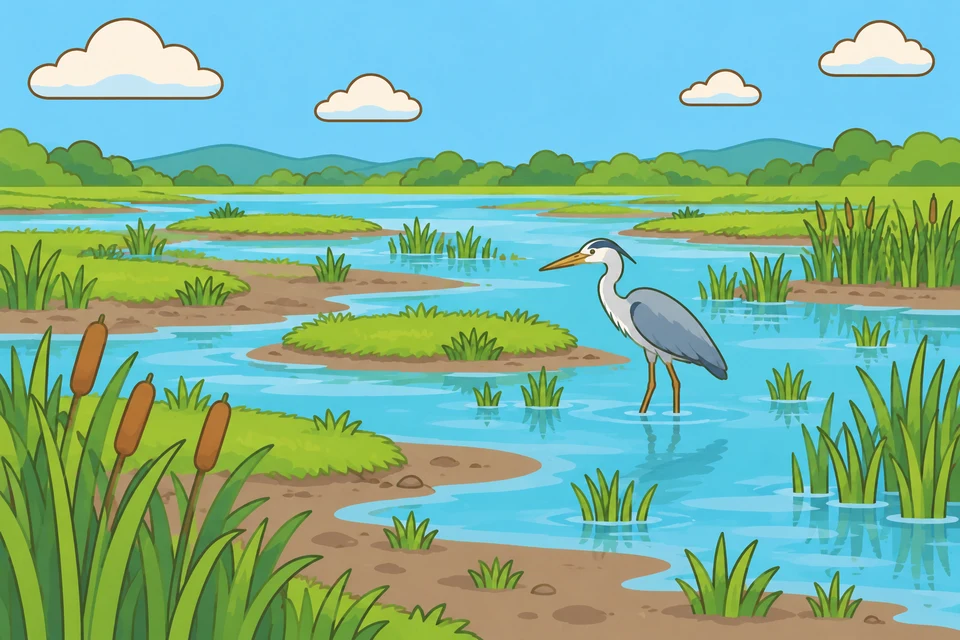
Wetland soils are saturated permanently or seasonally, supporting many habitats.
What is a wetland? Read more → Reed Wetland · Wetlands10 / 12
Wetlands are the Earth’s kidneys: reeds clean the water and migrating birds return every year. Reed Wetland is one of the Earth’s kidneys: reeds and mud trap some of the dirt so the water runs clearer, and migrating birds stop here every year. Beaver dams change the water level, and where the river meets the lake a branching delta forms. Your child helps clean the water and waits for the birds to return.
Wetland soils are saturated permanently or seasonally, supporting many habitats.
What is a wetland? Read more →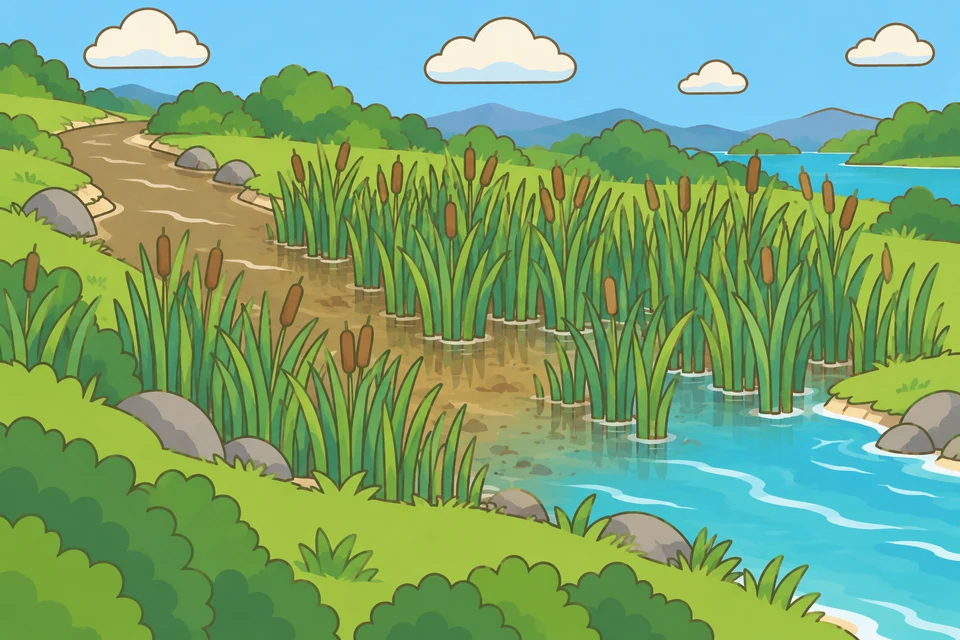
Wetlands can trap some sediment and nutrients, but cannot handle unlimited pollution.
How do wetlands help clean water? Read more →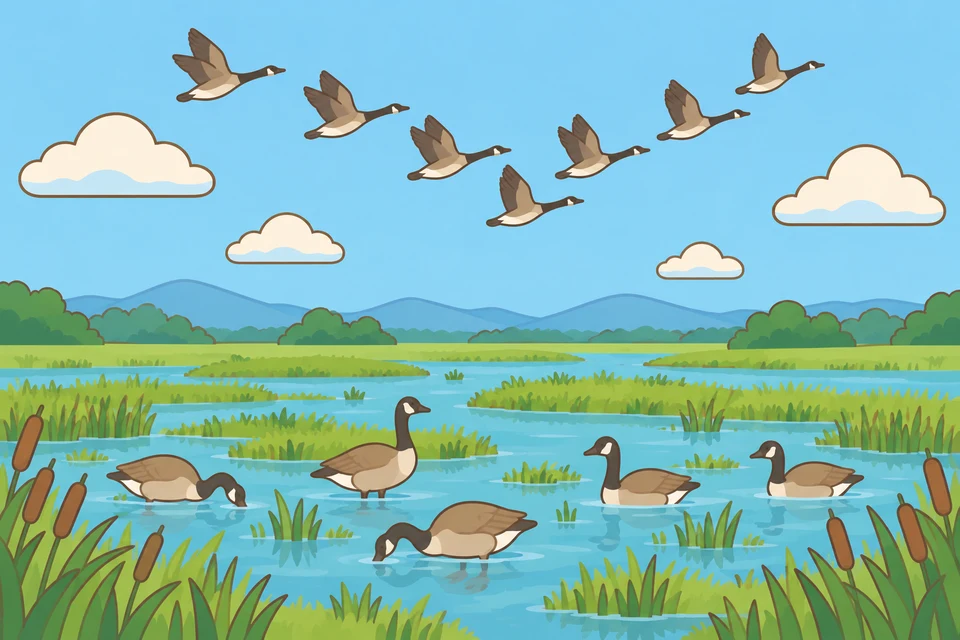
Many birds travel between breeding and wintering grounds, needing safe feeding and resting stops.
Why do migrating birds fly so far? Read more →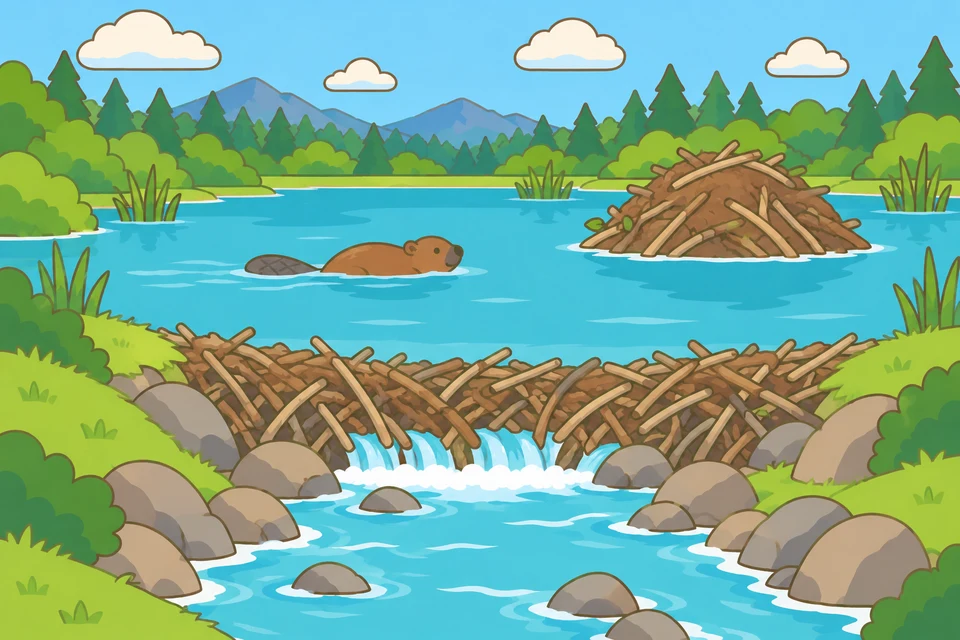
Beaver dams change local water levels and habitats.
Why do beavers build dams? Read more →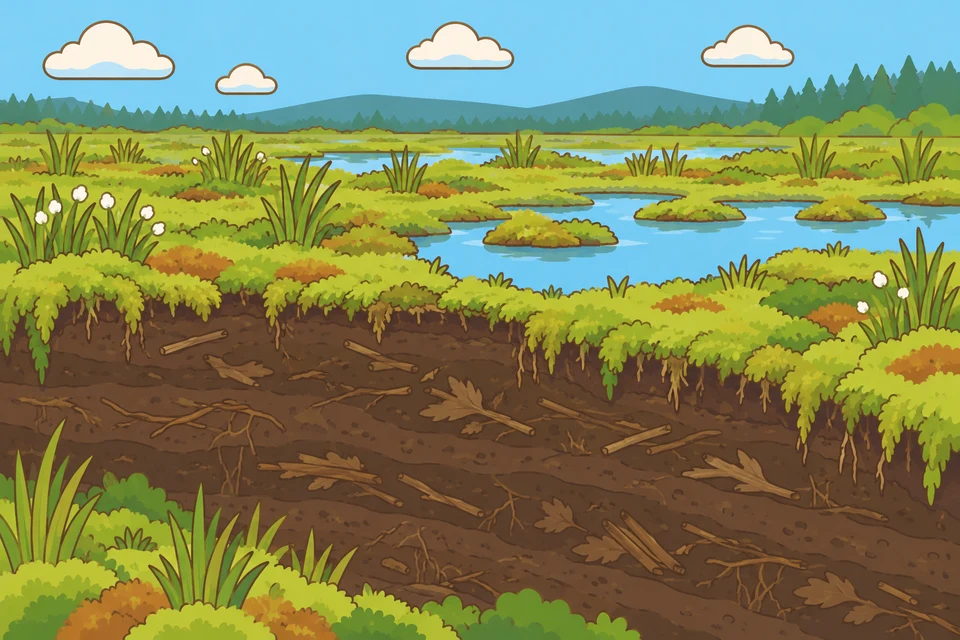
Waterlogged low-oxygen conditions slow plant decay, storing carbon in peat; draining can release carbon.
How does peat store carbon? Read more →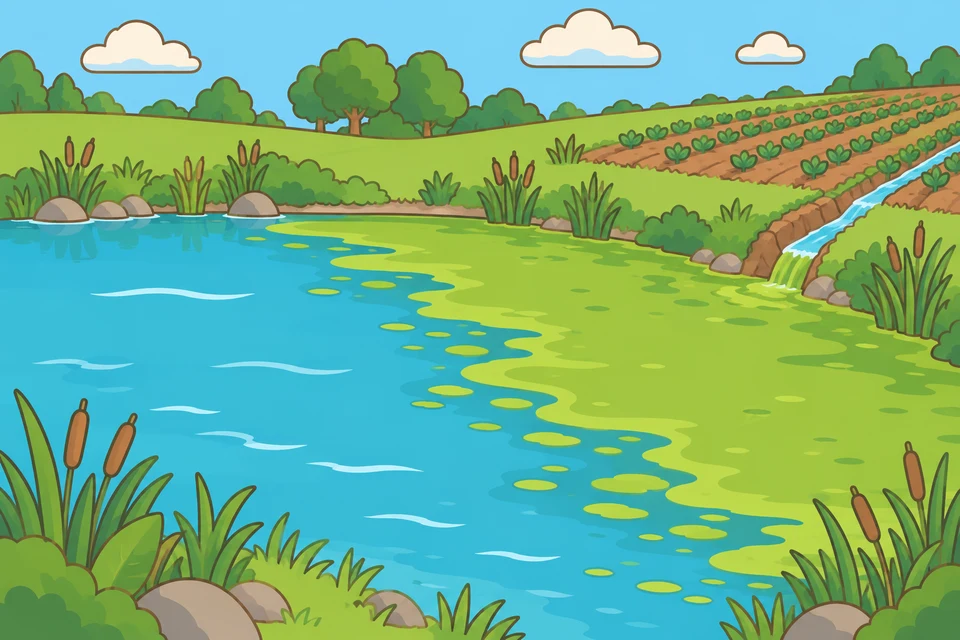
Excess nutrients and other conditions can fuel blooms that harm water quality.
Why does lake water suddenly turn green? Read more →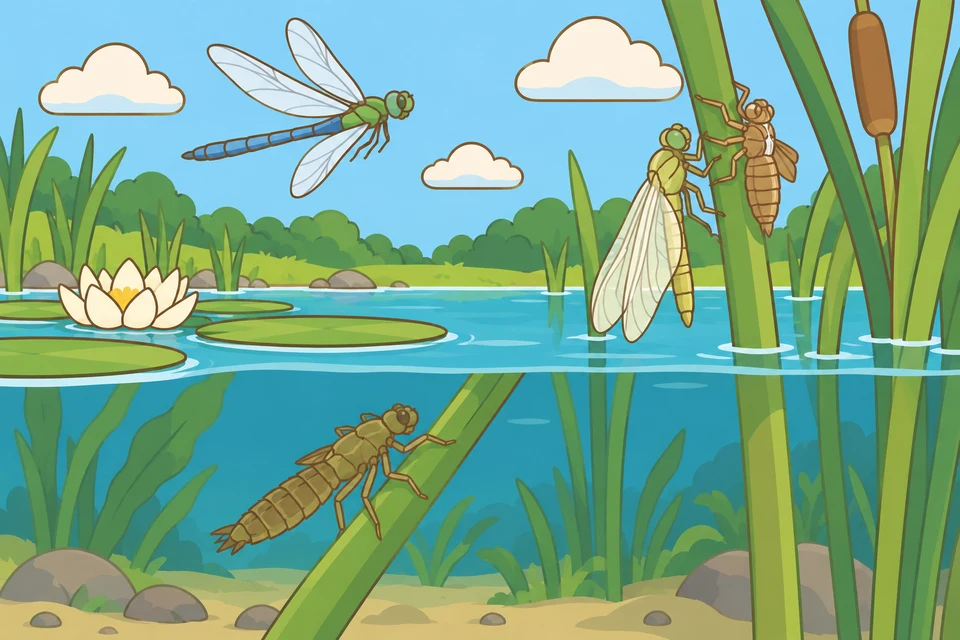
Dragonfly nymphs live in water before emerging as flying adults.
Where do baby dragonflies live? Read more →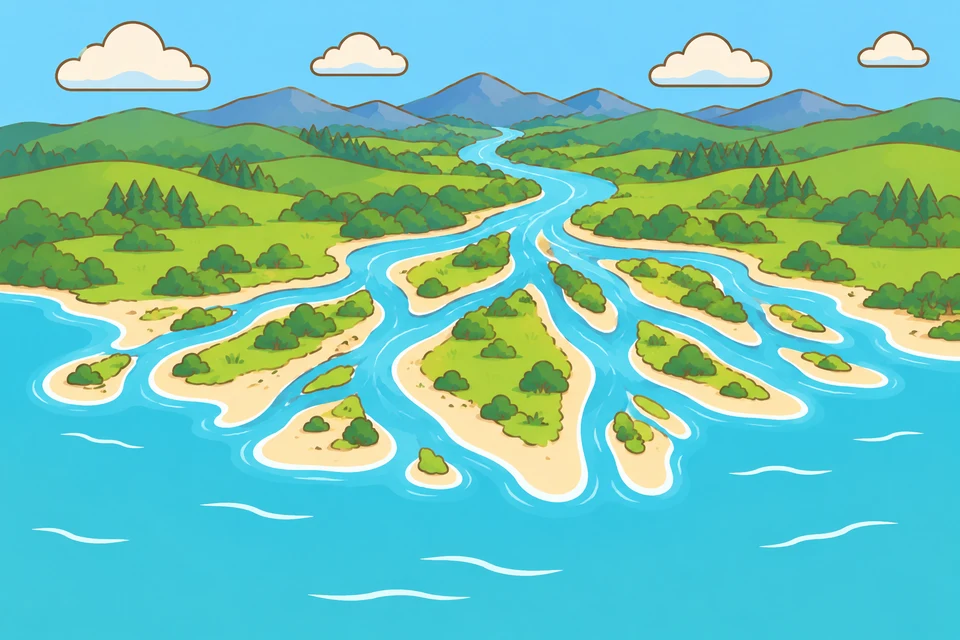
River sediment deposited at a mouth can form a branching delta.
How does a river delta form? Read more →Each card turns up when your child reaches a place or meets the weather on the island; answer the question on the back and the card lights up. The main island and the daily lesson are free, right in the browser.
Start playing ↗