 Mochi Isle
Play long enough, and the learning’s done.
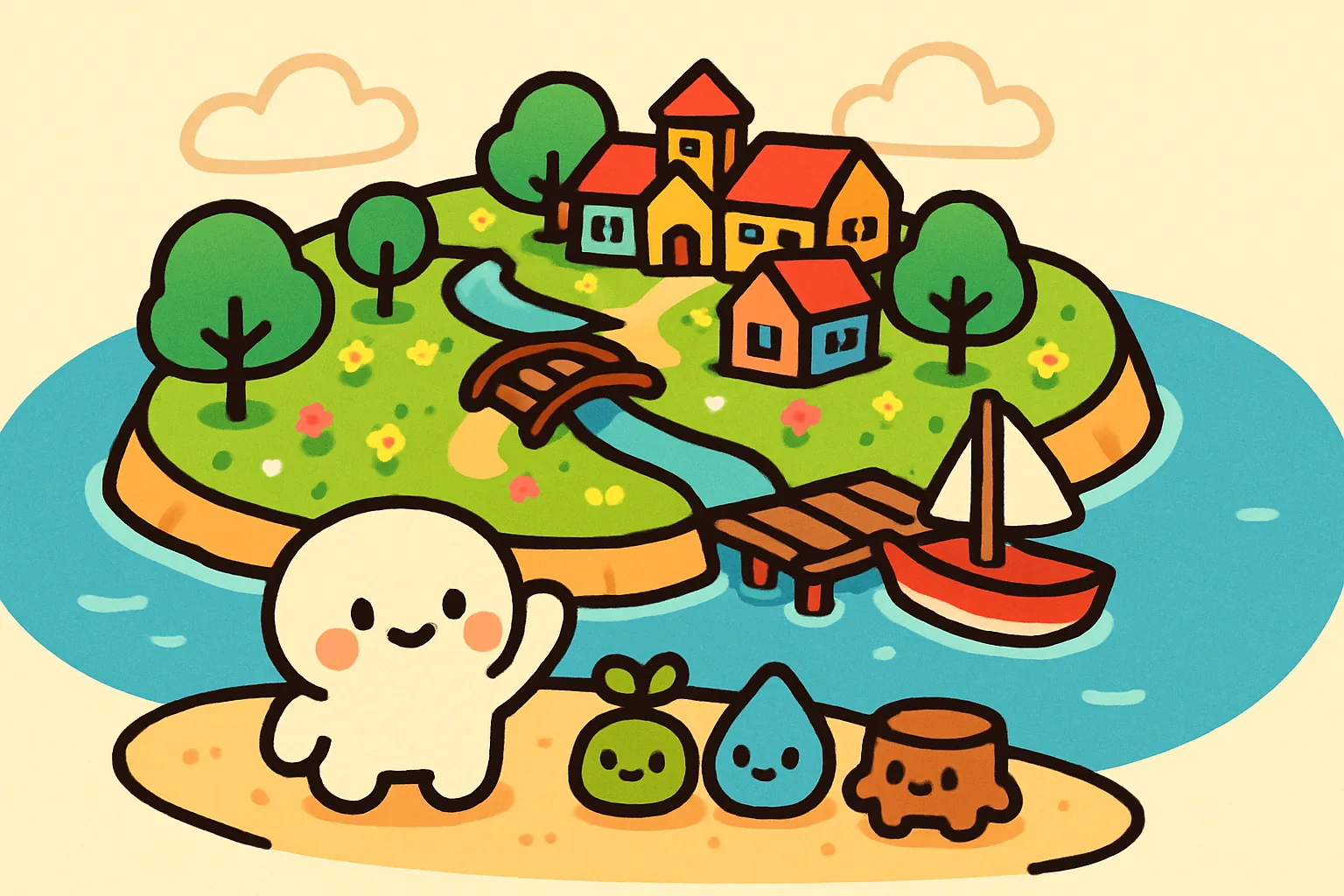
Mochi Isle is a grey little island. Children take lessons from island spirits, answer questions and learn new moves, and only then can they bring it back to green, patch by patch. Learning isn’t the ticket you pay before playing — it is how the game is played. Link your child’s device and every Sunday you get a short report on what they actually learned that week.
Learning is the gameplay
Right answers teach moves, and moves turn the island green, patch by patch. Not questions first, then play — the playing is the questions.
Just the right difficulty
A quick placement first. One ladder per subject, eleven rungs, from age five to high school.

A real science on every island
Tides, altitude, rain shadows, volcanoes, forest layers — seen and changed with their own hands.

A report every Sunday
Days learned, questions answered, the rung in each subject — and one sentence of advice.

No “demotions”
Moving up takes steady work over several days. When it gets hard, a few review questions slip in quietly.
No ads, no chat box
Nothing is sold on your child’s screen; playing together uses game-made nicknames and preset emotes only.
Questions became the ticket.
Eight o’clock, tablet in hand. Say no and there are tears; say yes and you feel uneasy. Primary school here sends home little homework and fewer tests — your child has a great time every day, but how much they actually learned is hard to see.
Many learning games work as “questions first, then a reward”. Children soon work out that the questions are just a ticket, and tap faster and faster, right or wrong. Other games are pure fun, and leave nothing behind.
It isn’t the child’s fault, or the parent’s.
Fun and learning were never meant to be a choice.
So Mochi Isle began.
A mum in New Zealand worried about this every evening. She wanted to make her daughter a game she’d choose to open herself: not one where you finish the questions to earn play, but one where playing gets the questions done.

So there is no “ten questions, then five minutes of play” on Mochi Isle. Questions grow everywhere in the game: the island school, the spirits’ short lessons, the puzzle kiosk, the shop, the trading post — to bring the island back, you have to actually learn.
Your child thinks they’re fixing up an island. What you get to see is what they really learned this week.
Learn a move, green a patch.
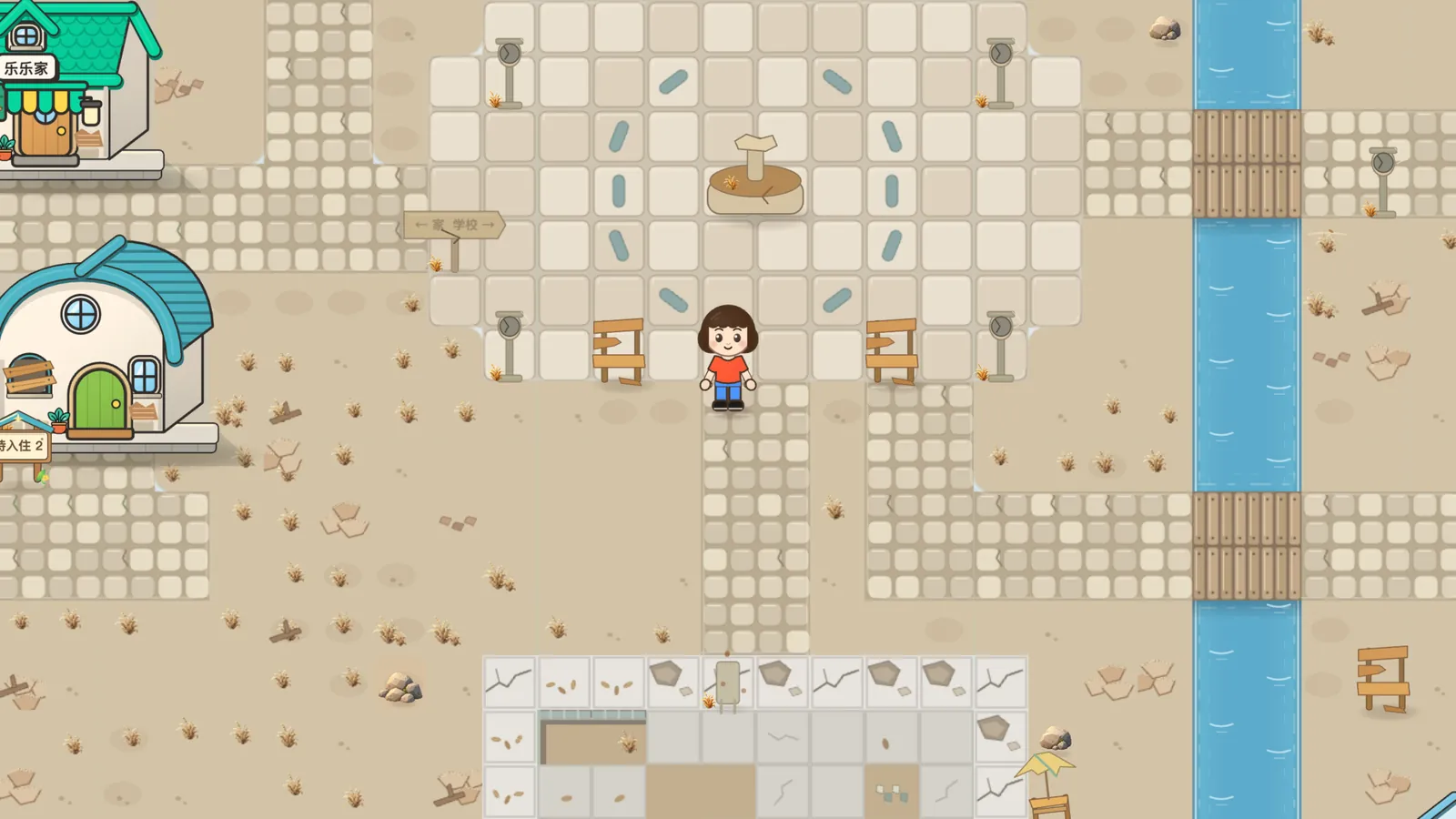
The same spot, barren and after a child woke it up. Drag left and right — both are real screenshots from the game.
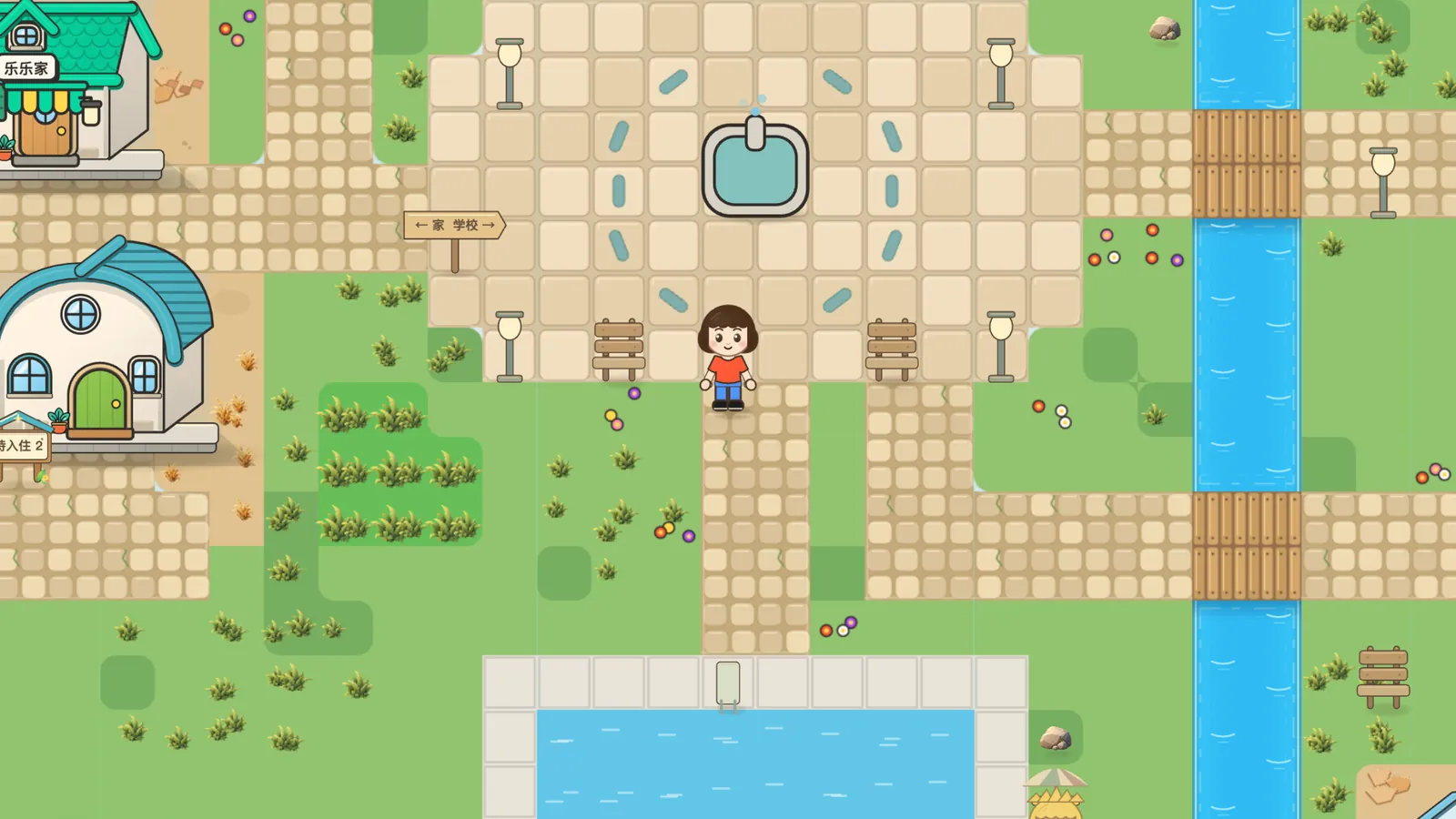 ⇆
BarrenRestored
Lessons with spirit teachers
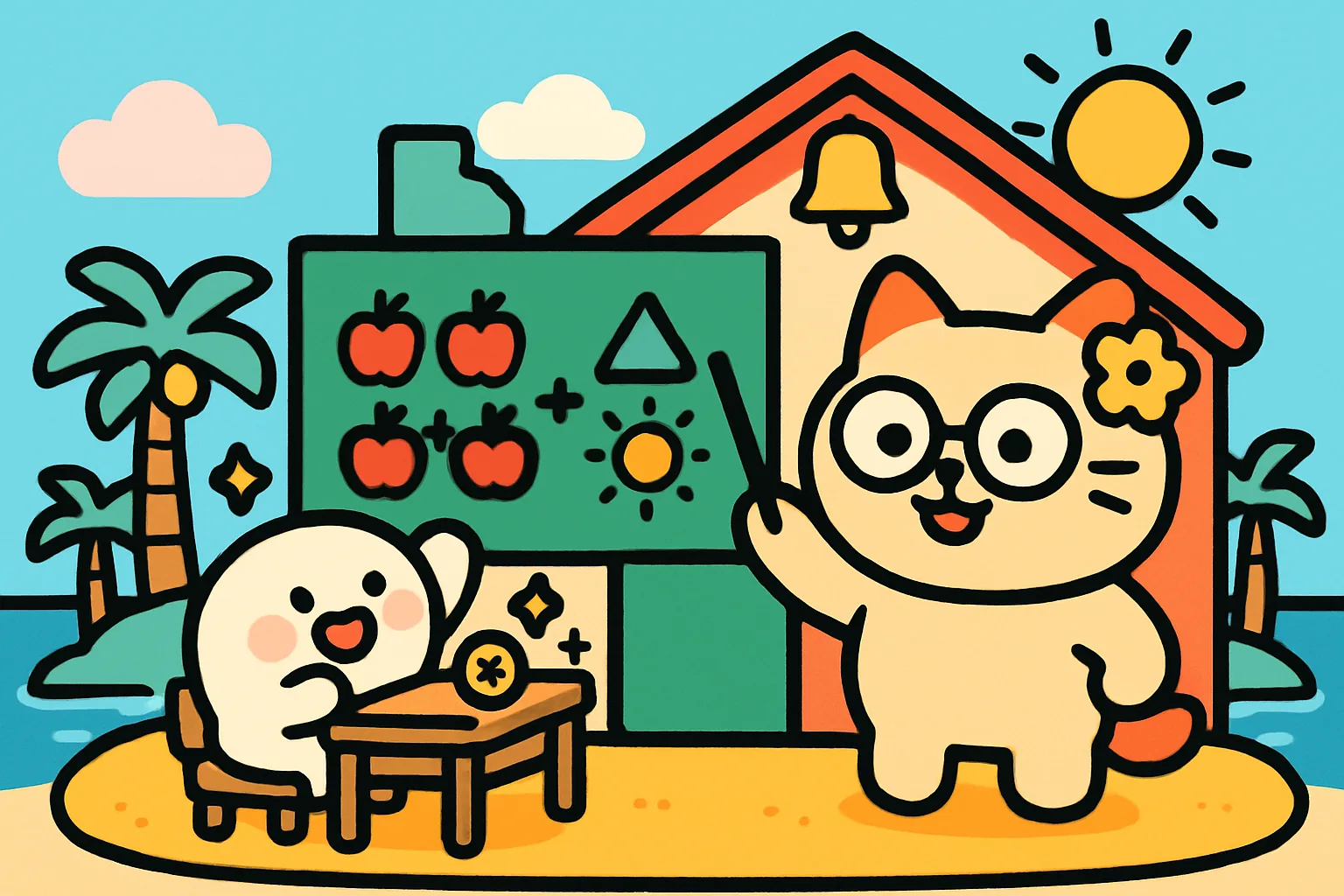
Each spirit teacher has a move to teach — growing, watering, chopping, breaking rocks… Answer correctly and it’s yours.
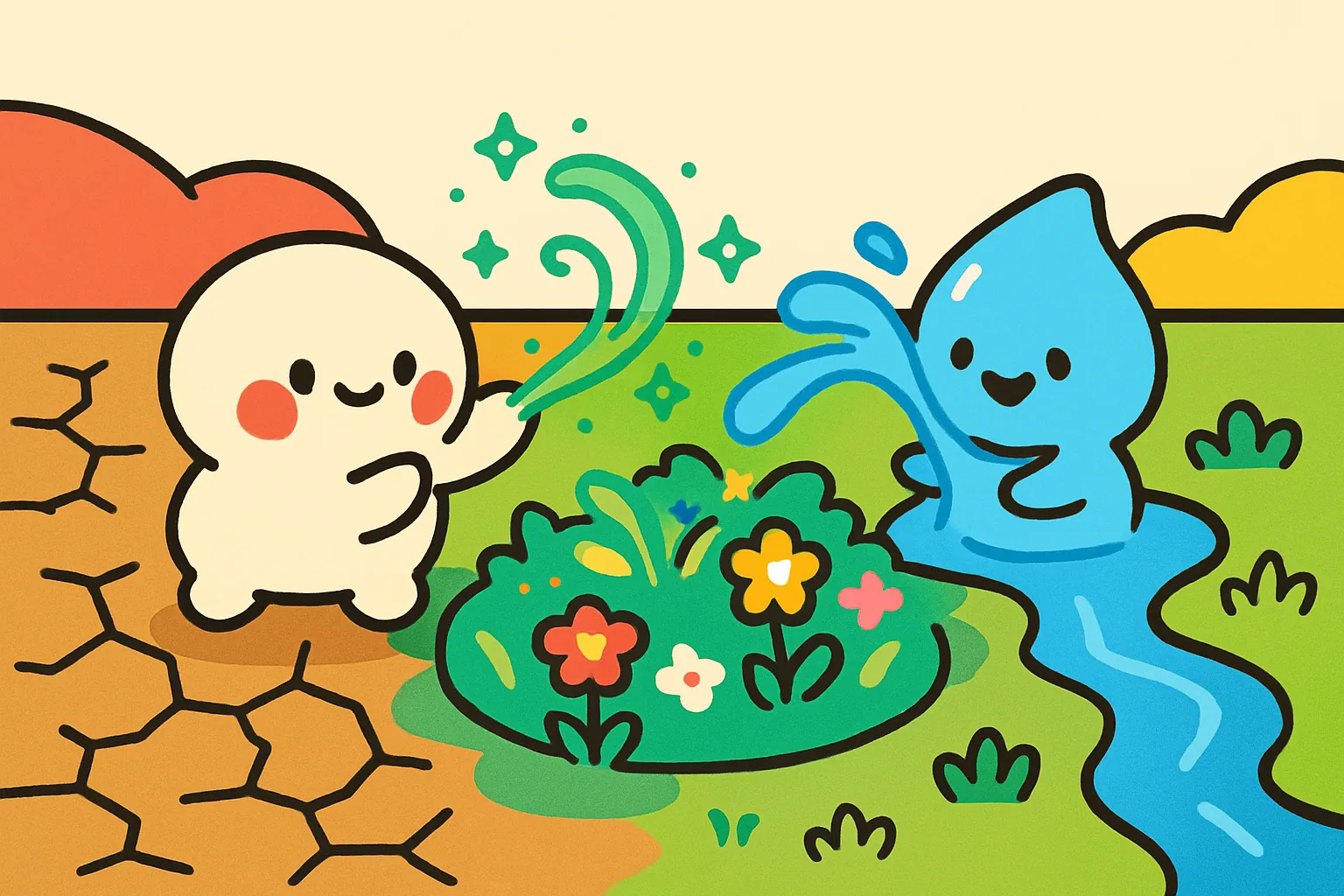
Use moves to wake the island
Water dry ground, plant sprouts, fix the lighthouse. Restoration climbs bit by bit, and your child watches the island turn green.
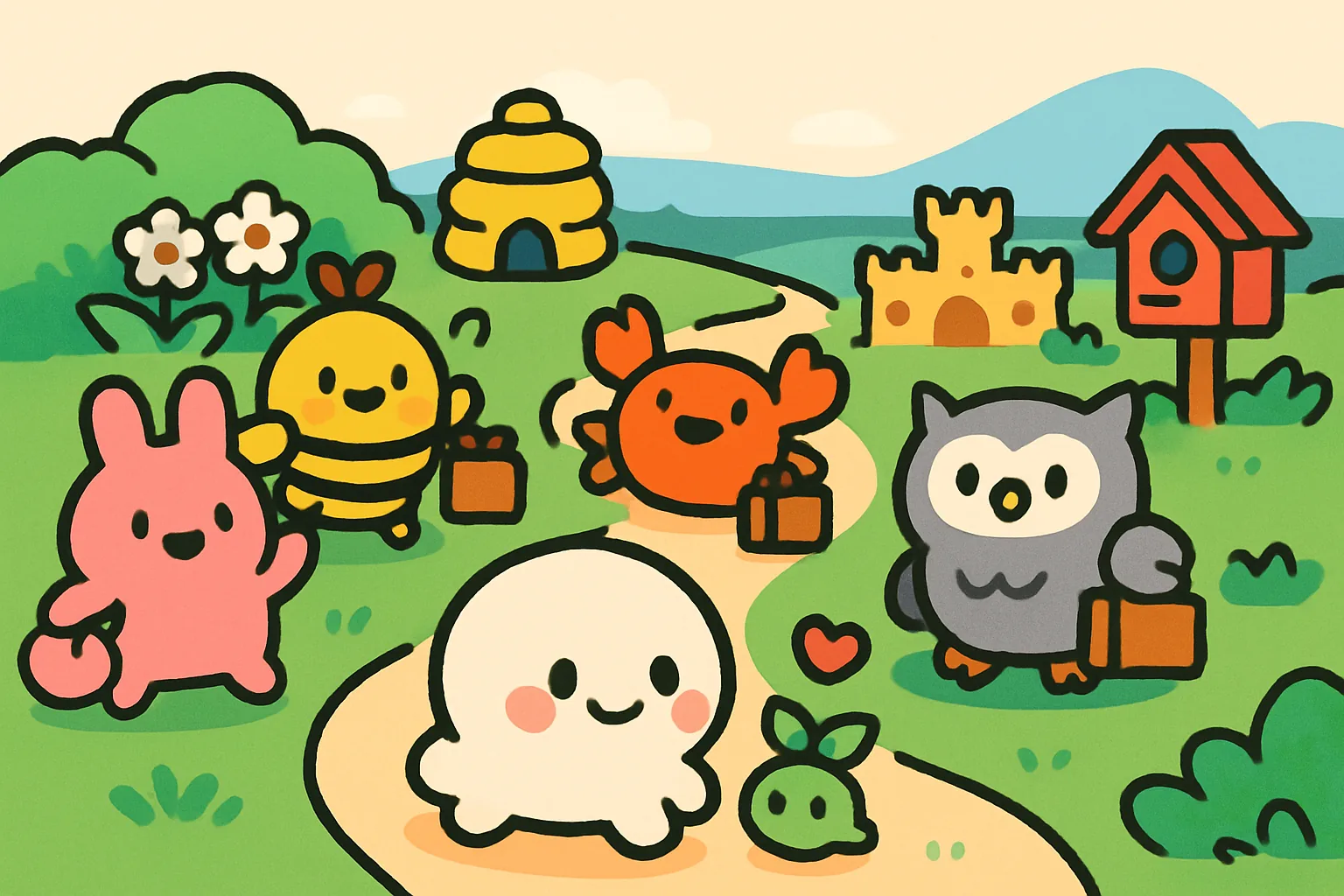
Spirits move in
The greener the island, the more spirits move in. Two follow your child around, each with its own skill.




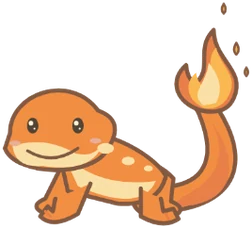

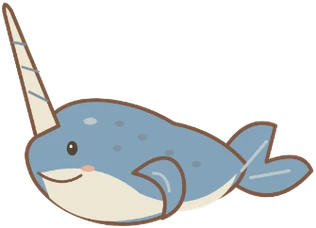
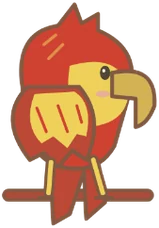
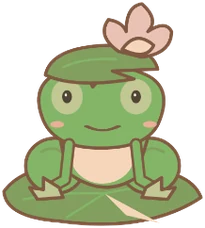 Sprouty, Droppy, Stumpy, Bruno, Flicker, Pandakin, Narwhal, Polly, Lilyfrog — over three hundred island spirits across twelve islands, every one original.
Twelve islands, twelve real sciences.
Once your child knows a few moves, the boat at the jetty can sail. Every island hides a piece of geography or science they can see and change for themselves, plus eight field cards to collect.

Mochi Isle
An island is alive: soil, water, grass and animals keep each other going.
Explore the science → Free
Coconut Cove
The moon pulls the tide, twice a day; at low tide the seabed shows.
Explore the science → Member
Cedar Highlands
Every 1,000 m up, it gets 6 °C colder: grass at your feet, snow overhead.
Explore the science → Member
Crescent Desert
Mountains catch the rain on one side, leaving desert on the other; nights are far colder than days.
Explore the science → Member
Chimney Volcano
Islands are built from lava; when it cools in the sea, the island grows.
Explore the science → Member
Rainforest Valley
Floor, trunk and canopy each have their own animals; roots hold the soil in place.
Explore the science → Member
Rainbow Cloudtop
Clouds are water drops, wind is moving air, and a rainbow is light split by drops.
Explore the science → Member
Coral Undersea
Coral is a living animal that bleaches when the water is too warm; the deep sea is dark and cold.
Explore the science → Member
Crystal Mine
Rocks hold metals that can be recycled again and again; the Earth is a giant magnet.
Explore the science → Member
Reed Wetland
Wetlands are the Earth’s kidneys: reeds clean the water and migrating birds return every year.
Explore the science → Member
Aurora Icefield
The Earth spins on a tilt: polar summers never get dark, polar winters never get light.
Explore the science → Member
Bamboo Valley
Bamboo is a grass, not a tree: it can grow a metre a day, and some kinds flower only once.
Explore the science →There’s also Palette Isle (drawing, free) and Dream Isle (a new dream every night). All 97 nature cards from the twelve islands, free to read here →
Not too easy, not too hard.
Children in the same class can be two or three years apart. Too easy is boring; too hard and they give up.
So the first visit offers a quick placement (you can skip it): pick an age to start from, a few questions per subject, up after a right answer and down after a wrong one — no marks shown, no answers given. After that it’s one lesson a day at the island school: ten questions, pitched right where your child is.
Four subjects — maths, English, science and humanities — each with its own ladder of eleven rungs: three Starter levels (about age 5–9), then eight rungs from about NZ Year 7 all the way to NZ Scholarship.
the last twenty in this subject, not just this week
at least seventeen correct
spread over three or more days — then the level-up challenge opens
The challenge is five questions from the next rung; four right moves you up. Starter levels need twelve of the last fifteen, over two days. No lucky streaks, no cramming in one night.
We never say “down a level”.Rungs only go up (parents can adjust them by hand in the Parent zone). When things get hard, a few review questions from the rung below appear quietly.
How did my child do this week?
That’s the one thing parents really want to know. So once your child’s device is linked, every Sunday at 7 pm (New Zealand time) you get a short report (sent whenever they’ve learned in the past four weeks):
 Days learned, questions answered, accuracy, and the island-school streak
 The rung in each subject, read as “about NZ Year …”; whether they moved up, and how far they are from the next challenge
 Mistakes: how many this week and how many are still to learn; which questions they are, with answers, is for members (open during the trial)
- Island progress: how restored it is, and how many spirits have moved in
On a light week, it says: No catching up needed. One lesson a day next week is plenty.
Open the Parent zone on your child’s device (you can lock it with a parent PIN) to see each subject in detail. “School first” is on by default: no sailing or dreaming until today’s lesson is done, and multiplayer can be switched off. Every report has a one-click unsubscribe.
Nicknames in the sample are game-made and the numbers are for illustration; the missed questions and answers are what members (and trial families) see.
Nothing is sold to your child.
No ads
No advertising, no selling data, no third-party tracking.
No upselling
Your child never sees a price, the word “member” or a countdown. Buying is only ever discussed in the Parent zone.
No free-text chat
Playing with friends uses game-made nicknames, preset emotes and a few preset phrases — no typing. Multiplayer can be switched off in the Parent zone.
No personal details from children
No real names, photos, locations or contact details; children never type an email.
Your data, any time
Export or delete everything whenever you like. Data lives on Cloudflare’s servers and only your family can see it.
No account for children
A parent signs up by email. Your child’s device shows a six-character code; enter it in your account and the two are linked.
Every lesson and question is free.
Free, for every child
Free- Mochi Isle, Coconut Cove and Palette Isle, free for good
- The full question bank, placement, the daily island school and all four ladders
- The Sunday parent report (how many mistakes, how many still to learn)
- Up to 6 children, cloud saves, playing with friends
Questions, placement and the daily lesson will never move behind the paywall.
Family membership: more islands
Member- Cedar Highlands, Crescent Desert, Chimney Volcano, the seven voyage islands, Dream Isle, and every new island to come
- The actual missed questions and answers in the weekly report
- One per family, up to 6 children, any number of devices
- No auto-renewal; full refund within 30 days, no questions asked
- Every new family gets 21 days of all islands (28 with a friend’s invite); anything built stays exactly as it was
We’re in testing: purchases aren’t open yet, and everything members get is free for now.
You might be wondering.
What ages is it for?
From age five all the way to high school. A quick placement on the first visit finds the right level in each subject, and from then on the difficulty follows your child.
Is there anything to download?
No — it runs in the browser on tablets and computers. On an iPad you can “Add to Home Screen” and open it like an app.
Does my child need an account?
No. A parent signs up with an email and signs in with a one-time code — no password to remember. Your child’s device shows a six-character code; type it into your account to link it. An invite code from a teacher or another parent also lets a child straight in.
Is it in English or Chinese?
The interface switches between English and Chinese. Starter questions come in both; from Rung 1 up, questions are in English, with rungs matched to New Zealand school years (Rung 1 is about NZ Year 7).
How long should my child play each day?
The island school is one lesson a day, ten questions. “School first” is on by default — no sailing or dreaming until the day’s lesson is done — and multiplayer can be switched off in the Parent zone.
When does the report arrive? Can I stop it?
Every Sunday at 7 pm New Zealand time, once your child’s device is linked. Each email has an unsubscribe link, and you can turn it off in the Parent zone at any time.
Does it cost anything?
The main island, the questions, placement, the daily lesson and the weekly report are free. More islands, and the actual missed questions and answers in the report, come with a family membership; during testing nothing is charged and everything is open.
Where is our data kept?
On Cloudflare’s servers (possibly outside New Zealand). We keep only the parent’s email and each child’s game-made nickname, preset avatar, school year and game save. Export or delete it any time in the Parent zone.